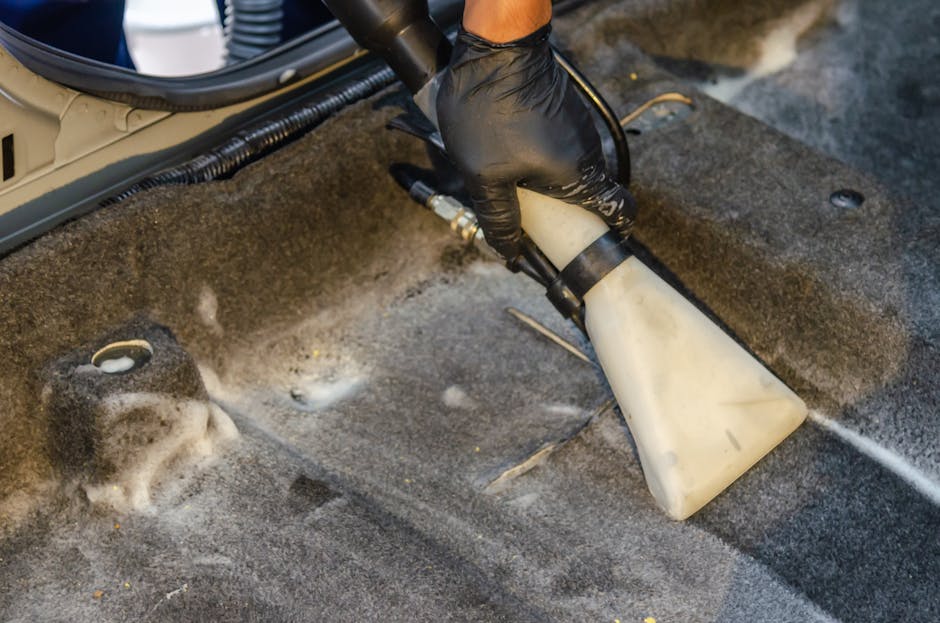
Norwood Road upholstery cleaning and stain removal service: a practical guide to cleaner, longer-lasting furniture
If your sofa has lost its colour, your dining chairs have picked up a mystery mark, or a pet accident has left you staring at the arm of a ?????... well, familiar-looking chair with a sinking feeling, you are in the right place. A Norwood Road upholstery cleaning and stain removal service is not just about making furniture look better for a day or two. Done properly, it helps remove dirt, reduce odours, protect fabrics, and slow down wear. And honestly, that can make a surprising difference to a room.
In this guide, we will break down what the service involves, how the process usually works, which stains are the trickiest, and how to decide whether professional upholstery cleaning is the right move for your home or business. You will also get a simple checklist, a comparison table, and a few real-world pointers that are genuinely useful, not just nice-sounding filler.
Why Norwood Road upholstery cleaning and stain removal service Matters
Upholstery takes more daily abuse than most people realise. It catches dust, skin oils, crumbs, drink spills, pet hair, and whatever gets transferred from coats, bags, and shoes. On a good week, it just looks a bit tired. On a bad week, one spill turns into a stain that seems to spread every time someone sits down. Been there? Most households have.
The reason a specialist upholstery cleaning and stain removal service matters is simple: fabrics are not all the same. A wool mix armchair, a velvet footstool, and a synthetic office sofa each react differently to moisture, heat, agitation, and chemical spot treatments. Using the wrong product can set a stain, flatten fibres, or leave a watermark that is somehow more annoying than the original mark.
That is why a careful local service is valuable. It is not just about the visible stain. It is about reading the fabric, checking the backing, understanding the type of soil, and choosing a cleaning method that suits the item instead of forcing one method onto everything. Truth be told, that is where many DIY efforts go sideways.
For households in and around Norwood Road, this also matters for comfort and hygiene. Sofas, dining chairs, headboards, and upholstered stools all collect fine dust and everyday grime over time. A proper clean can freshen the room, reduce lingering smells, and make furniture feel properly lived-in again rather than just worn out.
If you are also looking at other soft furnishings in the home, it can help to think of upholstery care as part of a wider fabric-cleaning routine. Related services such as sofa cleaning, rug cleaning, and curtain cleaning often work well together because dust and airborne particles do not politely stay in one place.
How Norwood Road upholstery cleaning and stain removal service Works
While every technician has their own preferred workflow, a good upholstery cleaning job usually follows the same broad logic: identify, test, treat, clean, and finish. The exact method depends on the fabric, the stain, and how long the item has been in use. There is no single magic wand. If only.
First comes inspection. This means checking the fibre type, colourfastness, structure of the furniture, and the nature of the stain. A red wine mark on polyester is not handled the same way as grease on linen, or pet urine on a fabric sofa. The purpose is to avoid making a small problem bigger.
Next is pre-treatment. Specialist stain products may be applied to break down organic soils, oils, or beverage residue. A technician may also use gentle agitation with a soft brush or cloth to help the product penetrate the fibre. That part needs judgement. Too much pressure can distort the pile or push the stain deeper.
Then comes the main cleaning stage. This may involve hot water extraction on suitable fabrics, low-moisture methods, or a controlled hand-cleaning process. The best method depends on the item, not on a one-size-fits-all promise. For example, some delicate upholstery is better cleaned with careful surface treatment rather than heavy saturation.
Finally, the item is checked for residual marks, odour, or fibres that need grooming back into place. Drying matters too. Good airflow and sensible drying time help prevent musty smells or tide marks. If a room feels slightly damp for a while after cleaning, that is normal in some cases, but it should not stay that way for long.
For broader fabric or fibre-related jobs, a service may also suggest stain removal support or even pet stain odour removal when a spill has soaked through deeper than the surface. That is especially common with upholstered benches, sofa cushions, and pet-friendly family furniture.
Key Benefits and Practical Advantages
The obvious benefit is visual improvement. Clean upholstery makes a room look fresher almost immediately. But the real value goes beyond appearances, and that is where people tend to notice the difference over time.
- Better appearance: Everyday soil, faint shadows, and blotchy stains are reduced, making the furniture look cared for rather than neglected.
- Improved comfort: Clean fibres often feel softer and less sticky, especially on frequently used seating.
- Odour reduction: Spills, pets, and general use can leave smells trapped in upholstery; targeted cleaning helps lift them.
- Fabric protection: Removing grit and residue can reduce abrasive wear caused by trapped dirt.
- Longer furniture life: Regular cleaning supports the overall condition of the item and may delay replacement.
- Better indoor presentation: Useful for homes, rental properties, offices, waiting rooms, and client-facing spaces.
There is also a practical money angle. Replacing a good sofa or a set of dining chairs because of avoidable staining is frustrating. Cleaning is often the sensible middle step before you get to that point. Not glamorous, but smart.
For landlords, offices, and hospitality settings, regular care can help maintain a more professional impression. If your property has multiple upholstered items, it may make sense to coordinate cleaning with other fabric services such as commercial carpet cleaning or upholstery cleaning as part of a planned maintenance cycle.
Who This Is For and When It Makes Sense
This service is useful for a lot more people than you might expect. It is not just for dramatic spills or expensive designer sofas. In fact, the everyday cases often benefit the most because they build up slowly and sneak up on you.
Households often book upholstery cleaning for family sofas, armchairs, footstools, dining chairs, and headboards. If you have children, pets, or a busy home, the fabrics are probably collecting more than you can see. A biscuit crumb here, a splash there, then suddenly the armrest has a dull patch and no one remembers when it started.
Pet owners may need help with hair, smells, and accidental staining. Even when the stain is invisible after drying, odour can remain in the fibres. That is why pet-related upholstery work often needs more than a surface wipe.
Renters and landlords may want furniture refreshed between tenancies, especially if upholstered items are included in a furnished property. A careful clean can make a room feel more move-in ready without replacing usable furniture.
Offices and commercial premises often use upholstery cleaning to keep reception areas, meeting rooms, and waiting spaces looking professional. Chairs in these settings pick up a surprising amount of body oils and dust from day to day traffic.
Post-incident situations are another clear sign. Think coffee spills, ink marks, make-up transfer, food stains, or a sudden pet mishap. The sooner the issue is addressed, the better the chance of a cleaner result. Let's face it, a stain that sits for months usually does not become friendlier with age.
If you are uncertain whether a piece can be cleaned safely, checking a specialist page like sofa cleaning can help you understand the type of care involved before you commit to a full appointment.
Step-by-Step Guidance
If you want to know how a sensible upholstery cleaning process should feel from the customer side, this is the rough roadmap.
- Identify the issue. Is it a stain, a smell, overall dullness, or a mixture of all three? That first read matters more than people think.
- Check the fabric if possible. Any care label, manufacturer note, or previous cleaning history is useful. Even a small clue can help avoid mistakes.
- Vacuum the item. Removing loose dust and crumbs first helps the treatment work on the real problem instead of dirt sitting on top of it.
- Spot-test where appropriate. A small hidden test area is often the sensible move, especially on delicate or coloured fabrics.
- Pre-treat the stain. A suitable product is applied according to the type of mark, not guessed at random.
- Clean the upholstery. This may involve extraction, low-moisture cleaning, or hand work depending on the material and condition.
- Inspect for residue. Stubborn marks may need a second careful pass rather than a stronger chemical blast.
- Allow proper drying. Good ventilation and sensible drying time are essential for a good finish.
- Finish and groom. Fibres may be brushed or reset so the fabric looks even and natural again.
A useful way to think about it: good cleaning is controlled, not rushed. If somebody tries to treat a stubborn stain in 30 seconds flat, you should probably raise an eyebrow.
Expert Tips for Better Results
Here are a few field-tested habits that tend to improve outcomes. Nothing fancy, just the sort of details that save time and avoid disappointment.
- Act quickly on fresh spills. Blot, do not rub. Rubbing spreads the stain and can roughen the fibres.
- Use plain absorbent cloths first. A white cloth makes it easier to see what is being lifted.
- Keep water use controlled. More liquid is not automatically better. Over-wetting can cause marks, shrinkage, or slow drying.
- Tell the technician the truth about the stain. Coffee, wine, food grease, pet urine, ink - the more accurate the story, the better the treatment choice.
- Move fragile items or valuables away first. Clearing the area makes the job smoother and reduces the risk of accidental knocks.
- Use airflow after cleaning. Open windows where practical and let the fabric breathe.
- Do not keep testing random shop-bought cleaners. Mixing products is a classic way to make a perfectly manageable stain become a whole saga.
A small but important tip: if a stain has a smell as well as a visible mark, mention both. They are often linked, but not always. The visible spot may be the easy bit; the odour might be hiding deeper in the cushion fill.
Also, if you have other soft furnishings nearby, it can be efficient to deal with them in the same visit. Many customers combine upholstery work with mattress cleaning or rug cleaning so the whole room feels fresher at once. Little things, but they add up.
Common Mistakes to Avoid
Most upholstery damage from stain removal is not caused by the original spill. It happens in the panic afterwards. That is the awkward truth.
- Rubbing aggressively: This drives the stain deeper and can distort the pile.
- Using bleach or harsh chemicals: These can strip colour or damage fibres, especially on coloured upholstery.
- Soaking the fabric: Excess moisture can reach the backing or filling and create lingering odour or marks.
- Ignoring the fabric type: A cleaning product that works on one fabric may be wrong for another.
- Waiting too long: Stains oxidise, set, or sink in. Time matters.
- Skipping drying time: Sitting on upholstery too soon can compress fibres and slow full drying.
- Assuming every stain is removable: Some marks fade significantly but may not disappear entirely, especially if they are old or have altered the dye.
There is no shame in leaving a tricky stain alone until a professional can assess it. Sometimes the smartest move is doing less, not more. Odd but true.
Tools, Resources and Recommendations
For a professional upholstery clean, the right tools matter as much as the right method. In general, a technician may use a combination of inspection tools, controlled cleaning equipment, and fabric-safe detergents or stain treatments. The exact setup depends on the job and the material.
From a customer perspective, the most useful resources are surprisingly simple:
- Care labels: These help identify what the fabric can tolerate.
- Stain history: Know what caused the mark if you can.
- Room access: Make sure the furniture is reachable and small items are moved out of the way.
- Photos before cleaning: Handy if you want to compare the result later or note areas that need extra attention.
- Good ventilation: Helpful for drying and general freshness.
It is also sensible to use a provider with clear service information, transparent pricing, and proper public policies. Pages such as pricing and quotes, payment and security, and insurance and safety help build confidence before anyone starts lifting cushions or moving furniture around.
And if sustainability matters to you, look out for sensible waste handling and cleaning choices. A thoughtful approach to recycling and sustainability is a good sign that the business is considering more than just the immediate job.
Law, Compliance, Standards, or Best Practice
For upholstery cleaning, the main compliance considerations are usually practical rather than dramatic. The job should be carried out safely, with suitable products, sensible handling of electrical equipment, and care taken around fabrics, furnishings, and people in the property.
In the UK, reputable cleaning work should align with ordinary health and safety expectations, clear terms of service, fair complaint handling, and careful treatment of customer property. That does not mean every job is formally regulated like a building site. It does mean a provider should be organised, insured where appropriate, and transparent about what they do and do not promise.
Best practice usually includes:
- checking the material before choosing a method
- using appropriate spot tests where needed
- avoiding unnecessary saturation
- working with realistic expectations about old or chemically set stains
- explaining any risks clearly to the customer
- respecting privacy, access, and property condition while on site
If you want extra reassurance, it is worth reviewing a company's published operational pages, including health and safety policy, terms and conditions, and complaints procedure. That kind of information is not glamorous, but it tells you a lot about how a business thinks.
One more thing: accessibility matters too. Clear communication and easy-to-follow service information should be part of a professional experience. That is why a public accessibility statement can be a useful trust signal, not just a formality.
Options, Methods, or Comparison Table
Different upholstery problems need different approaches. Here is a simple comparison to help you decide what is usually best.
| Method | Best for | Strengths | Limitations |
|---|---|---|---|
| DIY blotting and mild cleaning | Fresh, minor spills | Quick, inexpensive, good for immediate response | Limited stain removal, easy to make mistakes if overdone |
| Spot treatment by a professional | Single marks or localised stains | Targeted, lower moisture, useful for delicate fabrics | May not address overall dullness or odour in the item |
| Full upholstery cleaning | General soiling, multiple marks, tired furniture | More even finish, better freshening, better presentation | Takes longer and may require a drying period |
| Odour-focused treatment | Pet accidents, lingering smells, deep-set organic residue | Targets the source of the smell rather than masking it | Results depend on how deep the contamination has gone |
In plain English: if the problem is tiny and fresh, a careful household response may be enough. If the fabric is delicate, the stain is old, or the item smells as well as looks dirty, a specialist service is usually the safer bet. That decision point is where many people save themselves a headache.
Case Study or Real-World Example
Here is a realistic example. A customer notices that a cream two-seater sofa has developed a dark patch on the left arm and a faint stale smell after several months of family use. At first glance, it looks like simple dirt. But after inspection, it turns out the mark is a mix of body oils, drink residue, and everyday grime from repeated contact in the same spot.
A sensible cleaning process would start with vacuuming, then controlled pre-treatment, then a suitable cleaning method for the fabric type. The armrest would likely need a little more attention than the seat cushions because that is where contact is concentrated. If the smell is a concern, the technician would also look at whether there is deeper contamination in the fibres or fill.
What usually surprises people is how much brighter the whole room feels once that one sofa is cleaned. Not because the furniture was ruined before, but because you stop noticing the dullness and start noticing the light again. Sounds a bit poetic, but it is true.
The key lesson from this kind of job is that stains are often symptoms of broader use patterns. If one armrest is repeatedly marked, the solution is not just one clean. It might also mean using throws more strategically, rotating cushions, or getting the item serviced before the damage becomes permanent.
Practical Checklist
Use this checklist before booking or attempting upholstery stain removal:
- Identify the furniture type and fabric if you can.
- Note what caused the stain, or your best guess.
- Check whether the stain is fresh, old, dry, sticky, oily, or odorous.
- Take a quick photo of the problem area.
- Vacuum loose debris from the item.
- Clear surrounding items so the cleaner can work safely.
- Ask about drying time and aftercare.
- Ask whether the method is suitable for delicate or natural fibres.
- Confirm whether the service also handles deeper odour issues.
- Review service information such as contact options and about the company so you know who you are dealing with.
Expert summary: the best results come from matching the cleaning method to the fabric and the stain, not from using the strongest product available. If you remember only one thing, make it that.
Get a free quote today and see how much you can save.
Conclusion
A good Norwood Road upholstery cleaning and stain removal service is about much more than appearances. It helps protect fabrics, restore comfort, reduce odours, and make everyday spaces feel cared for again. Whether you are dealing with a single spill, a tired sofa, or a set of chairs that have simply had one too many years of use, the right approach can make a noticeable difference.
Just as important, a sensible service should be careful, honest about limitations, and clear about the process. That is what gives you confidence as a customer. No drama, no nonsense, just proper care for the things you use every day.
And sometimes that is exactly what a home needs: a clean surface, a fresher room, and that small but welcome feeling that things are back under control.
Frequently Asked Questions
What does a Norwood Road upholstery cleaning and stain removal service usually include?
It typically includes inspection of the fabric, stain identification, pre-treatment, the main cleaning process, and finishing checks for residue or odour. Some jobs also include spot treatment or deep freshening for heavily used furniture.
Can all stains be removed from upholstery?
No, not always. Fresh food or drink stains often respond better than old or heat-set marks. Some stains change the dye in the fabric itself, which means they can fade a lot but not always disappear completely.
Is steam cleaning safe for all upholstery?
Not necessarily. Some fabrics handle moisture well, while others are delicate or colour-sensitive. A proper inspection comes first so the method matches the material, rather than using steam everywhere by default.
How long does upholstery take to dry after cleaning?
Drying time depends on the fabric, the cleaning method, ventilation, and room temperature. Light moisture may dry quite quickly, while thicker cushions or more thorough cleaning can take longer. Good airflow helps a lot.
Will stain removal get rid of pet smells too?
Sometimes yes, but it depends on how deep the contamination has gone. Surface odours are easier to deal with than those that have soaked into the cushion fill. That is why pet-related jobs often need more than a quick wipe.
What should I do before the cleaner arrives?
Vacuum the furniture if possible, remove small items, clear access around the piece, and note anything important about the stain. If you know what caused the mark, tell the cleaner. That small detail can save a lot of time.
Is it better to clean upholstery myself or use a professional?
For fresh, minor spills, careful DIY blotting may be enough. For old stains, delicate fabrics, multiple marks, or odours, a professional is usually the safer and more effective choice. It is a bit like trying to cut your own hair with kitchen scissors. You can, but should you?
Can upholstery cleaning help a rental property between tenants?
Yes. It can refresh sofas, chairs, and other upholstered items so the property feels cleaner and more presentable. It is often a practical middle step before replacing furniture.
Do I need to know the fabric type before booking?
It helps, but it is not essential. If you do not know, a good service should inspect the item and advise on the safest method. Any label, maker note, or previous cleaning information is useful though.
What if the stain comes back after cleaning?
That can happen if residue wicks back to the surface while drying, especially with deeper contamination or over-wetting. Proper drying and careful treatment reduce the risk, but complex stains may need follow-up attention.
Are there signs that I should avoid cleaning the fabric myself?
Yes. If the fabric is delicate, the stain is old, the item has an odour, or you are unsure what caused the mark, it is safer to stop and get advice. Guesswork is where upholstery often gets damaged.
How do I choose a trustworthy local provider?
Look for clear service information, transparent pricing, sensible policies, and a careful explanation of the cleaning process. Helpful pages like pricing and quotes, insurance and safety, and terms and conditions are good signs that the business takes the work seriously.
Can upholstery cleaning be done alongside other household cleaning jobs?
Often, yes. Many people pair upholstery care with carpet, rug, curtain, or mattress work so the whole room feels fresher at once. That can be more efficient and, frankly, more satisfying too.